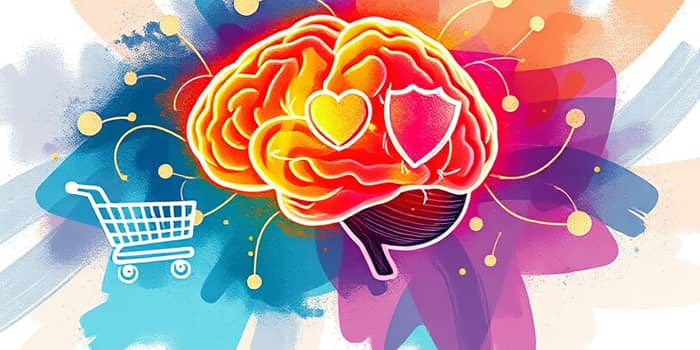
In today's competitive marketplace, unlocking the secrets of consumer behavior is essential for sales success. Neurosales merges neuroscience and psychology to reveal how the brain drives purchasing decisions. Emotional triggers and subconscious influences are at the heart of this transformative approach.
Traditional sales methods often overlook the brain's instinctual nature, leading to missed opportunities. The primal instincts of survival can override logic, prompting impulsive buys that feel right in the moment.
Neurosales focuses on authentic connection rather than manipulation. Humanizing the sales process builds trust and loyalty, creating lasting customer relationships.
Studies show that up to 70% of buying decisions occur subconsciously, highlighting the power of neurosales. This insight moves sales beyond mere transactions into meaningful engagements.
The foundation of neurosales lies in groundbreaking scientific discoveries. Paul MacLean's Triune Brain Theory, developed in the 1960s, provided a framework for understanding brain function in decision-making.
Jürgen Klaric popularized these concepts, applying them to sales with a focus on attention, emotion, and memory. Antonio Damasio's research further emphasized how emotions shape rational choices.
This evolution shows how science has progressively informed sales strategies, leading to more effective approaches.
At the core of neurosales is the Three-Brain Theory, which explains how different brain regions interact during purchases. Understanding this theory allows for tailored sales strategies.
By engaging these brain areas sequentially, sales can be optimized. Appealing to the reptilian brain first captures immediate attention, followed by emotional and rational layers.
For example, in car sales, highlighting safety features first, then comfort, and finally efficiency addresses all brain aspects. This layered approach ensures comprehensive engagement.
To apply neurosales effectively, specific techniques can be employed. These methods are designed to be ethical and impactful, enhancing the customer experience.
Additional strategies include emotional storytelling and free trials. Creating memorable experiences aligns products with real needs through emotions and instincts.
Always ensure techniques are used ethically, with the customer's best interest in mind. For instance, in luxury sales, emphasizing exclusivity and emotional value can justify high prices.
Neurosales offers numerous advantages across various industries. By connecting emotionally and logically, it boosts sales effectiveness and customer loyalty.
Sectors that benefit greatly include automotive, insurance, healthcare, and luxury goods. Case studies show higher satisfaction and retention rates with neurosales.
For example, gym memberships sold with urgency and community stories often see better sign-up rates. This practical application demonstrates neurosales in action.
Advancements in technology enable deeper insights into consumer behavior, making neurosales more data-driven and precise.
These tools allow for refined strategies based on concrete data. Leveraging neuroscience tools leads to more personalized and effective sales approaches.
While neurosales is powerful, it must be applied with integrity. The goal is to enhance the customer experience, not to manipulate or deceive.
Transparency and respect for consumer autonomy are paramount. Ethical practices build long-term trust and ensure sustainable business success.
By adhering to ethical guidelines, neurosales can be a force for good, improving both sales outcomes and customer satisfaction.
Neurosales represents a transformative shift in how we approach selling. By understanding and activating the consumer's brain, sales professionals create more meaningful interactions.
The future lies in integrating science with empathy. Mastering emotional and instinctual triggers will be key to thriving in evolving markets.
Start applying these principles today to transform your sales approach and achieve remarkable results. Neurosales is not just a trend; it's the future of customer engagement.
Referencias