>
Gestión y Negocios
>
Cadena de suministro inteligente: Optimización logística

Cadena de suministro inteligente: Optimización logística

31/12/2025
Matheus Moraes
Cadena de suministro inteligente: Optimización logística

In today's competitive landscape, businesses face constant pressure to streamline operations and deliver value. The intelligent supply chain offers a transformative solution, merging physical logistics with digital innovation to create a responsive and efficient system.

This approach, often called SCM 4.0, leverages advanced technologies to automate processes and enhance decision-making. Real-time information and proactive adjustments become possible, allowing companies to adapt swiftly to market fluctuations.

By embracing this model, organizations can unlock significant benefits, from cost savings to improved customer satisfaction. Automated data collection and analysis reduce human error, paving the way for a more agile and sustainable future.

Understanding the core components and implementation strategies is key to harnessing its full potential. This article delves into the definition, technologies, and practical steps for optimizing logistics through intelligence.

Defining the Intelligent Supply Chain

An intelligent supply chain is a system that integrates digital tools to manage products, information, and resources seamlessly. It automates the collection and analysis of data, enabling systems to work in harmony and provide actionable insights.

Unlike traditional methods, this approach fosters collaboration among all stakeholders. Enhanced visibility and real-time monitoring ensure that every link in the chain operates efficiently, from suppliers to end consumers.

This innovation reduces reliance on manual tasks, cutting down delays and errors. Proactive decision-making and adaptive strategies become the norm, driving overall performance improvements.

Key Technologies Driving Smart Logistics

Several cutting-edge technologies form the backbone of an intelligent supply chain. Each plays a crucial role in enhancing automation, visibility, and efficiency across logistics processes.

  • Artificial Intelligence and Machine Learning: These technologies analyze large data sets to detect patterns and predict demand. Optimizing routes and inventory levels becomes automated, as seen with companies like Amazon and DHL.
  • Internet of Things (IoT): Sensors monitor conditions and locations in real-time, providing instant alerts for issues like temperature changes or delays. Enhanced tracking and immediate response capabilities are key advantages.
  • Big Data Analytics: It enables continuous improvement by identifying trends and inefficiencies. Data-driven strategic decisions help adapt warehouse operations to evolving logistics needs.
  • Blockchain Technology: This ensures secure and agile exchanges among supply chain actors. Immutable records and interconnected systems boost transparency and trust.
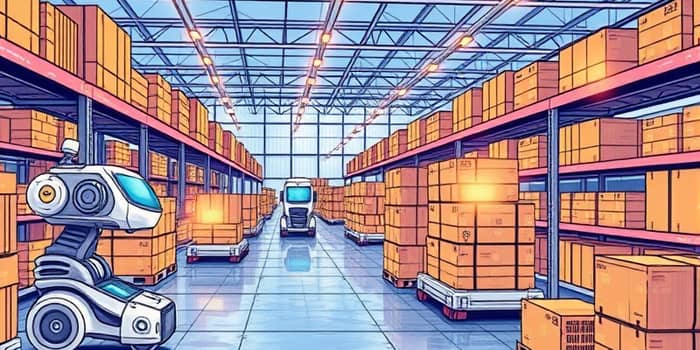
  • Robotics and Automation: Advanced robots integrate with software to manage inventory and streamline warehousing. Increased efficiency and productivity result from automated guided vehicles and AI-enhanced systems.

Other supporting technologies include cloud-based solutions and digital twins. Real-time optimization and predictive maintenance are made possible, further reducing downtime and costs.

Core Characteristics of an Intelligent Supply Chain

This system is defined by several key traits that distinguish it from conventional logistics. Reduced times, costs, and errors are primary outcomes, driven by technological integration.

  • Efficiency: Monitoring performance indicators helps predict and prevent inefficiencies. Automated processes and data insights enable smoother operations.
  • Productivity: Innovative storage methods maximize output, allowing businesses to scale effectively. Maximized resource utilization is a hallmark of smart logistics.
  • Flexibility: The ability to adapt to new trends ensures long-term relevance. Localizing logistics trends and swift adjustments keep companies competitive.
  • Collaboration: All stakeholders work together seamlessly, facilitated by digital tools. Integrated ecosystems and real-time interactions foster teamwork.

These characteristics ensure that supply chains are not just reactive but proactive. Continuous improvement and adaptive capabilities are embedded into everyday operations.

Benefits of Implementing an Intelligent Supply Chain

Adopting this model yields numerous advantages that enhance business performance. From cost reduction to customer satisfaction, the impacts are far-reaching and transformative.

  • Optimized Processes: Digitalization automates manual tasks, minimizing errors and wait times. Quick detection and resolution of bottlenecks improve overall productivity.
  • Improved Inventory Management: Predictive tools allow precise stock control, avoiding excess or shortage. Real-time demand forecasting and inventory adjustments reduce storage costs.
  • Informed Decision-Making: Access to real-time data and advanced analytics supports strategic choices. Data-driven insights and adaptive strategies help navigate market changes.
  • Enhanced Visibility and Traceability: Real-time monitoring of products and shipments increases transparency. Better tracking and responsive management boost reliability.
  • Superior Customer Experience: Fast, accurate deliveries and updated order statuses lead to higher satisfaction. Efficient handling and quick adaptations meet customer expectations.

Additionally, sustainability is enhanced through optimized routes and resource use. Environmental responsibility and long-term viability become integral to logistics planning.

Practical Steps for Implementation

Transitioning to an intelligent supply chain requires a strategic approach. Start with a clear assessment of current processes and technology gaps to identify areas for improvement.

  • Assess Current Infrastructure: Evaluate existing systems and identify bottlenecks. Baseline performance metrics and technology needs guide initial investments.
  • Invest in Key Technologies: Prioritize technologies like IoT sensors or AI software based on business goals. Scalable solutions and phased integration ensure manageable adoption.
  • Train Personnel: Equip staff with skills to use new tools effectively. Continuous learning and adaptive workforce development support long-term success.
  • Monitor and Adjust: Use data analytics to track progress and make iterative improvements. Real-time feedback and proactive refinements optimize outcomes over time.

By following these steps, businesses can gradually build a resilient and intelligent logistics network. Strategic planning and ongoing evaluation are essential for sustained optimization.

In conclusion, the intelligent supply chain represents a leap forward in logistics management. Embracing digital transformation and technological integration unlocks efficiency, reduces costs, and enhances customer experiences. As industries evolve, this approach will become increasingly vital for competitive advantage.

Start exploring these technologies today to future-proof your operations. The journey toward smarter logistics begins with small, informed steps, leading to a more agile and successful business model.

Matheus Moraes

Sobre el Autor: Matheus Moraes

Matheus Moraes es redactor especializado en finanzas personales en miraahora.net. Con un enfoque claro y accesible, explica temas como presupuesto, metas financieras y planificación económica para ayudar a los lectores a tomar mejores decisiones financieras.